Table of Contents
- Introduction
- A History of Distrust
- The Cyber Battlefield
- Technological Espionage
- Economic Sanctions and Tech
- Geopolitics of Technology
- The Future of US-Russia Tech Relations
- Conclusion
Introduction
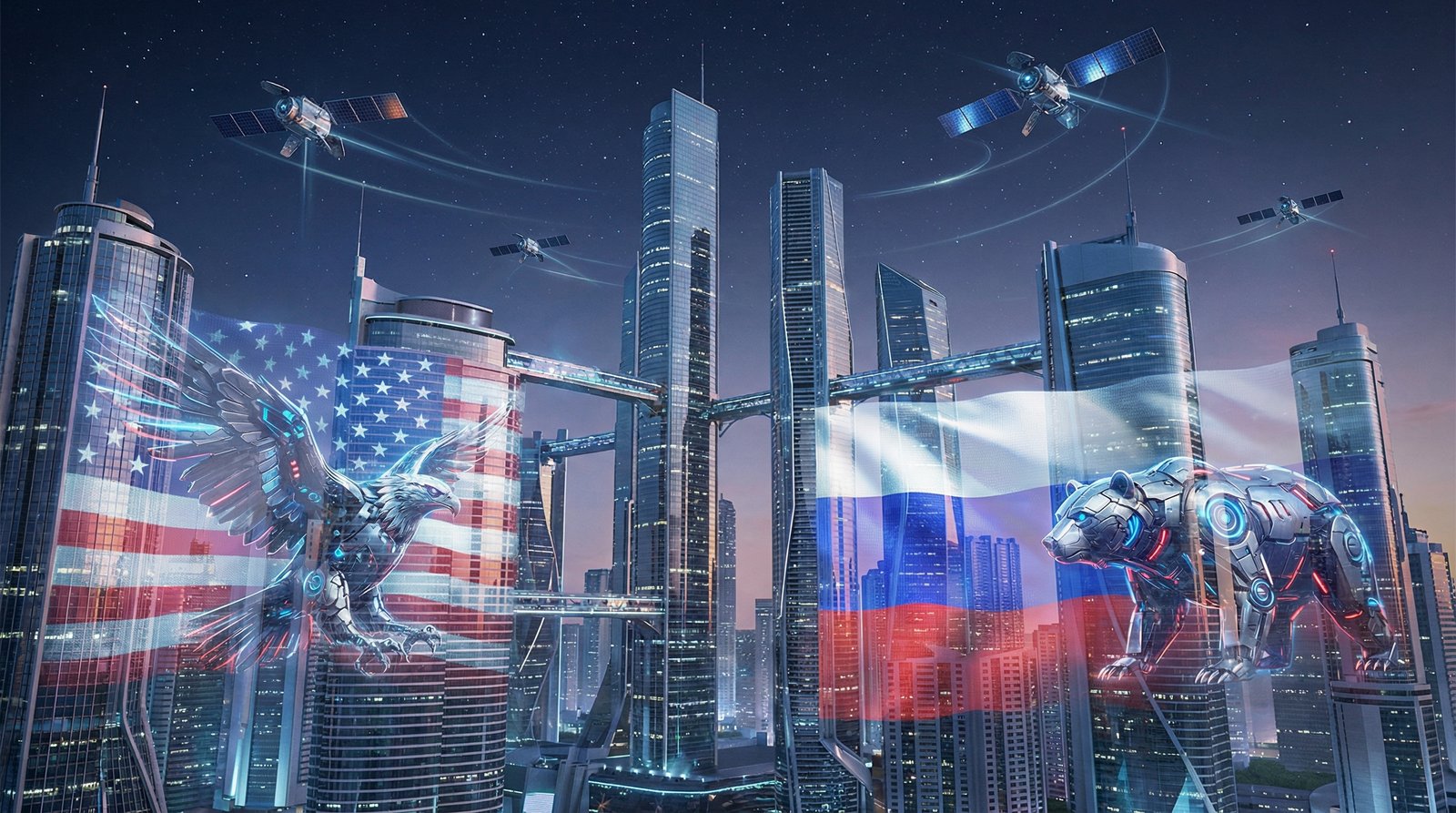
The geopolitical landscape is constantly shifting, and the relationship between the United States and Russia remains one of the most closely watched and intensely analyzed. While traditional military and diplomatic tensions persist, a new dimension has emerged: the technological sphere. This "Tech Cold War 2.0" encompasses everything from state-sponsored cyberattacks and intellectual property theft to the strategic control of critical technologies and the imposition of economic sanctions. This article delves into the multifaceted technological conflict between the US and Russia, examining its historical roots, current manifestations, and potential future trajectories.
A History of Distrust
The current tech rivalry is deeply rooted in the Cold War era, characterized by ideological competition and an arms race. The collapse of the Soviet Union in 1991 initially led to hopes of improved relations, but these hopes were gradually eroded by a series of events. These include Russia’s resurgence under Vladimir Putin, its annexation of Crimea in 2014, allegations of Russian interference in US elections, and differing views on international conflicts such as the Syrian Civil War. Each event further solidified the atmosphere of mistrust. Within the tech domain, this history manifests as suspicion of each other’s motives and technological capabilities.
The Cyber Battlefield
Cyberattacks represent a prominent and escalating aspect of the US-Russia tech conflict. Both countries possess advanced cyber capabilities, and accusations of state-sponsored attacks are frequent. Russia has been implicated in high-profile incidents, including the SolarWinds hack, which compromised numerous US government agencies and private companies. The US, in turn, has been accused of targeting Russian infrastructure and interfering in its domestic affairs. These cyber operations are designed to gather intelligence, disrupt critical systems, and exert political influence. The interconnected nature of cyberspace makes attribution difficult, further complicating efforts to de-escalate tensions and establish international norms.
Technological Espionage
Beyond direct cyberattacks, technological espionage is another key component of the US-Russia tech rivalry. Both countries engage in efforts to acquire sensitive information and intellectual property from the other. This can include stealing trade secrets, reverse-engineering technologies, and recruiting spies to infiltrate research institutions and corporations. The goal is to gain a competitive advantage in strategic industries such as aerospace, defense, and artificial intelligence. The economic costs of technological espionage can be substantial, as companies lose billions of dollars to intellectual property theft each year. Furthermore, such activities can undermine trust and hinder collaboration between US and Russian scientists and engineers.
Economic Sanctions and Tech
Economic sanctions have become a primary tool in the US arsenal for responding to perceived Russian aggression and malign activities. These sanctions often target specific individuals, companies, or sectors of the Russian economy. In the tech realm, sanctions can restrict access to US technologies, equipment, and expertise. For example, the US has imposed sanctions on Russian companies involved in the development of advanced weapons systems and those accused of cyberattacks. These measures can hinder Russia’s ability to modernize its technology infrastructure and compete in global markets. However, sanctions can also have unintended consequences, such as disrupting supply chains and harming innocent civilians. Moreover, they can incentivize Russia to develop its own indigenous technologies and reduce its reliance on foreign suppliers.
Geopolitics of Technology
The US-Russia tech rivalry extends beyond bilateral relations and has broader geopolitical implications. Both countries are vying for influence in international organizations and seeking to shape global norms and standards. This includes competition over the development and deployment of 5G networks, artificial intelligence, and other emerging technologies. The US has been actively discouraging its allies from using Chinese-made 5G equipment, citing security concerns. Russia, meanwhile, is seeking to promote its own technology standards and expand its influence in regions such as Central Asia and Eastern Europe. This geopolitical competition has the potential to fragment the global tech landscape and create separate technological spheres of influence.
The Future of US-Russia Tech Relations
The future of US-Russia tech relations is uncertain and will depend on a variety of factors. If tensions continue to escalate, the tech rivalry could intensify, leading to further cyberattacks, espionage, and economic sanctions. This could have significant consequences for global security and economic stability. However, there is also the potential for cooperation in certain areas, such as space exploration and arms control. Finding common ground and establishing clear rules of the road could help to mitigate the risks of conflict and promote a more stable and predictable relationship. International cooperation will be critical to addressing the challenges posed by cybercrime and ensuring the responsible development and use of emerging technologies.
Conclusion
The Tech Cold War 2.0 between the US and Russia is a complex and multifaceted phenomenon with far-reaching implications. It is characterized by cyberattacks, technological espionage, economic sanctions, and geopolitical competition. While the risks of conflict are real, there is also the potential for cooperation in certain areas. Managing this relationship will require careful diplomacy, a commitment to international norms, and a willingness to find common ground. The future of global security and economic stability may depend on it.
TL;DR
The US and Russia are engaged in a tech-driven rivalry, marked by cyber warfare, espionage, and economic sanctions. This "Tech Cold War 2.0" impacts global security and requires careful management to avoid escalation and find avenues for cooperation.